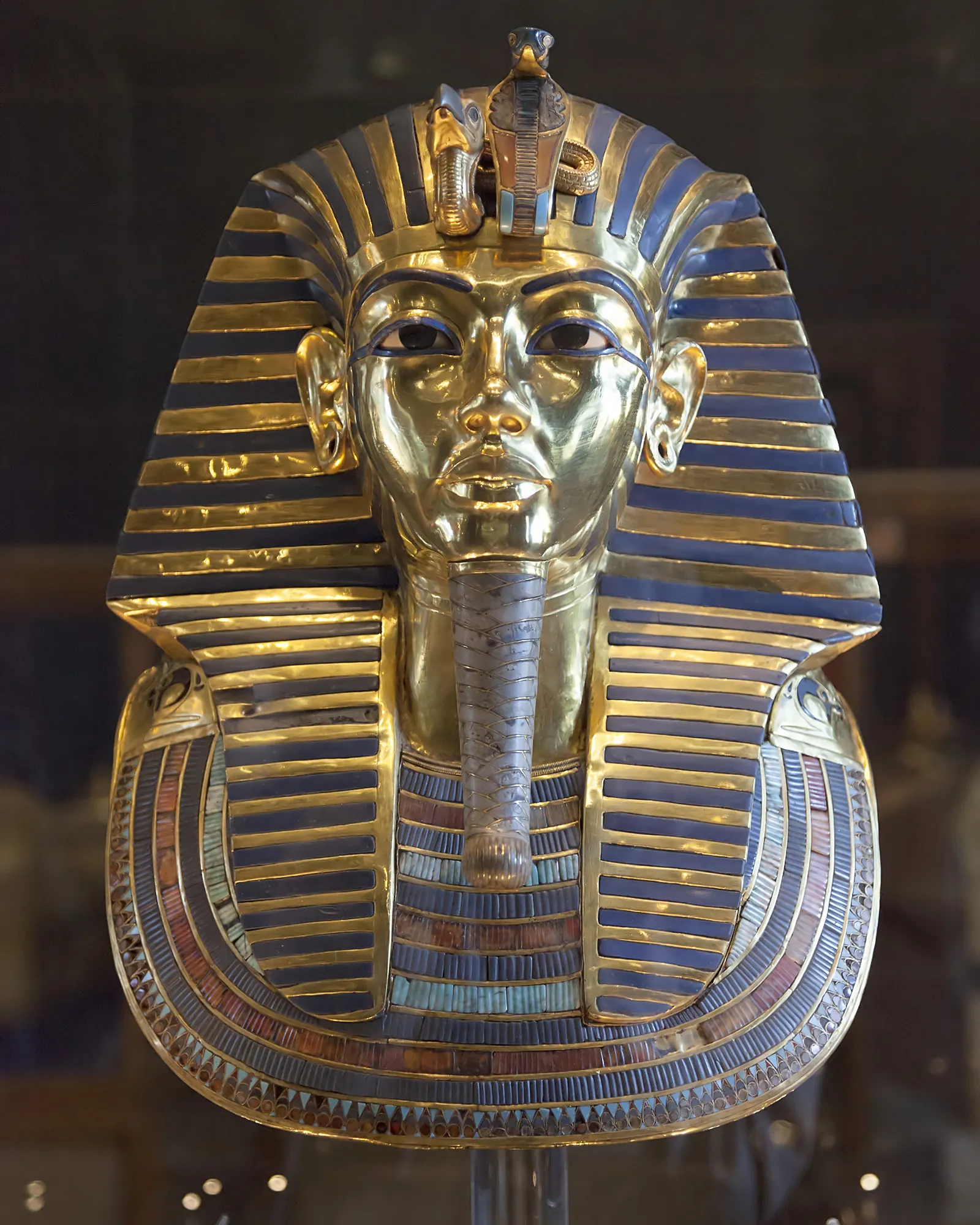
A verification checklist for mobility, sensory access, companions, toilets and arrival routes. This guide is designed as a practical editorial framework: it separates durable context from details that must be confirmed close to the day of travel.
Ask before booking
A generic accessibility icon cannot describe every route or temporary closure.
The purpose of this chapter is not to create another rule for every visitor. It gives you a decision structure that can survive a changed opening time, a moved display or a different level of energy on the day.
Contact the museum directly.
Name the date and entrance.
Ask about the whole intended route.
Request current rather than general information.
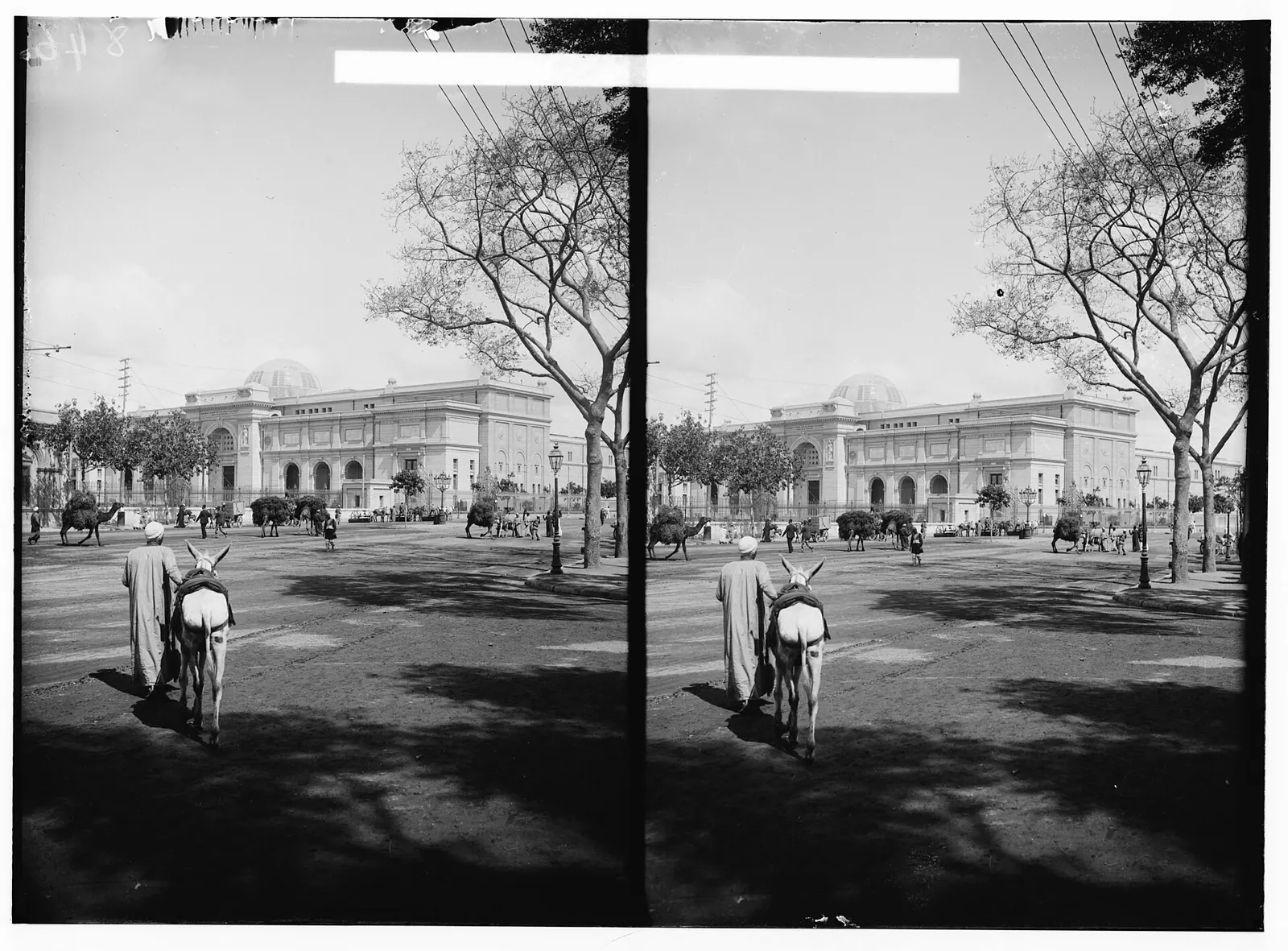
What this changes in practice
Turn the chapter into one small action before the visit. Save the relevant official page, choose a realistic stopping point and write down the question you want the collection to answer.
- Keep the decision specific to this museum and date.
- Distinguish a verified fact from a personal preference.
- Leave enough flexibility for gallery closures or slower looking.
- Record uncertainty instead of filling the gap with a confident guess.
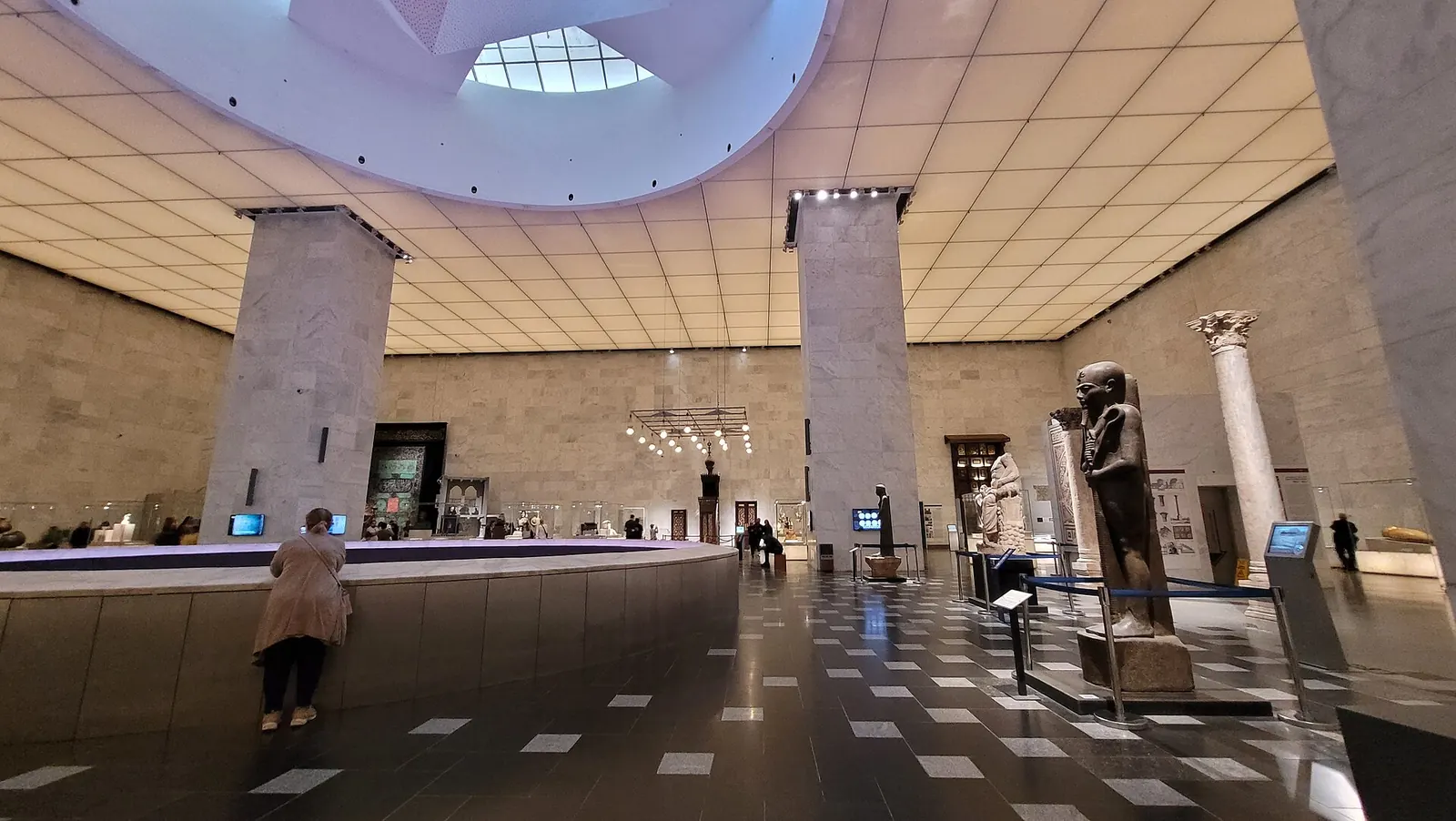
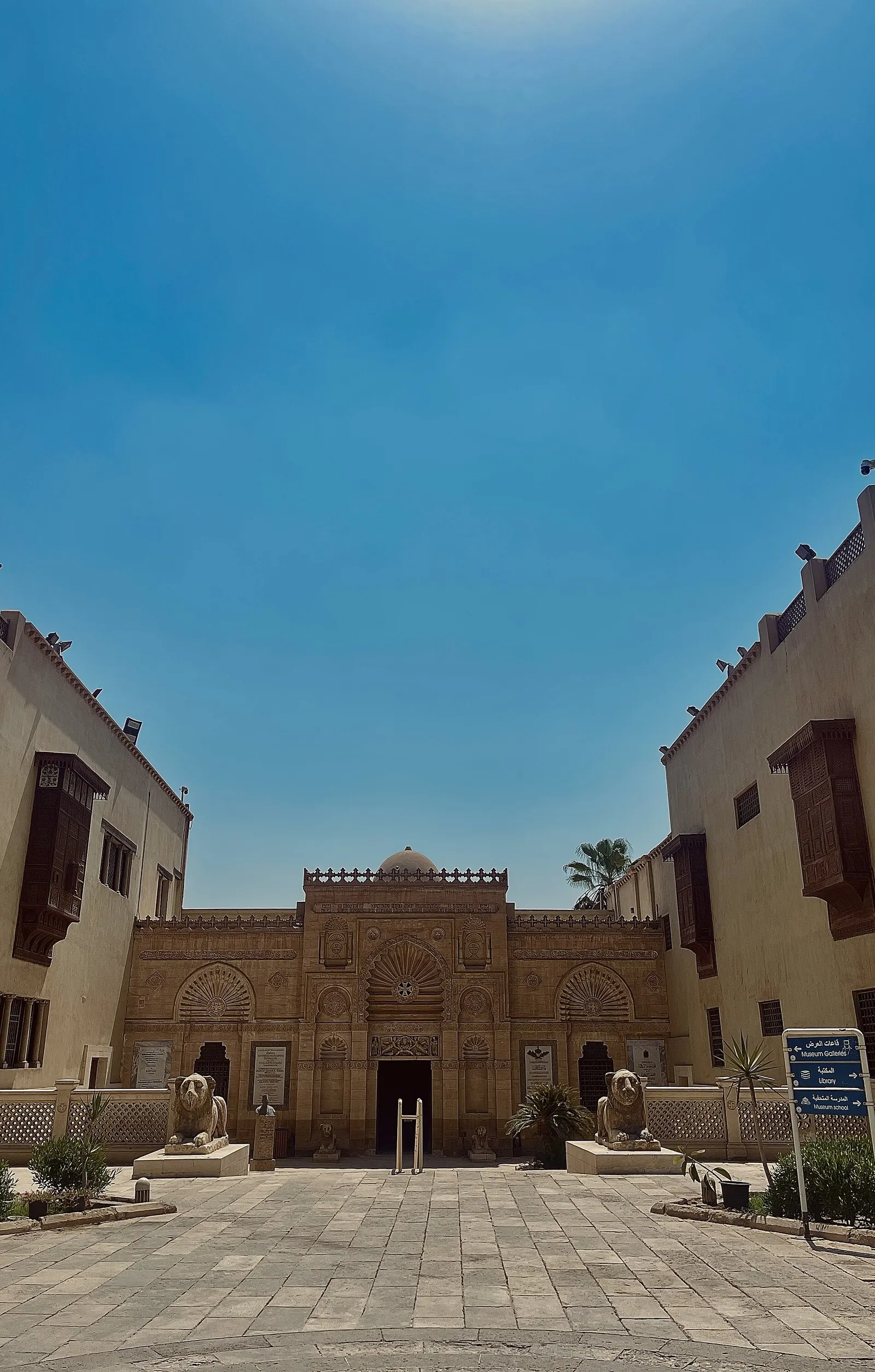
Map the accessible arrival
Drop-off, paving, gradients and security queues can matter more than distance.
The purpose of this chapter is not to create another rule for every visitor. It gives you a decision structure that can survive a changed opening time, a moved display or a different level of energy on the day.
Confirm the accessible gate.
Ask about drop-off time limits.
Check surface and shade.
Plan a meeting point.
What this changes in practice
Turn the chapter into one small action before the visit. Save the relevant official page, choose a realistic stopping point and write down the question you want the collection to answer.
- Keep the decision specific to this museum and date.
- Distinguish a verified fact from a personal preference.
- Leave enough flexibility for gallery closures or slower looking.
- Record uncertainty instead of filling the gap with a confident guess.
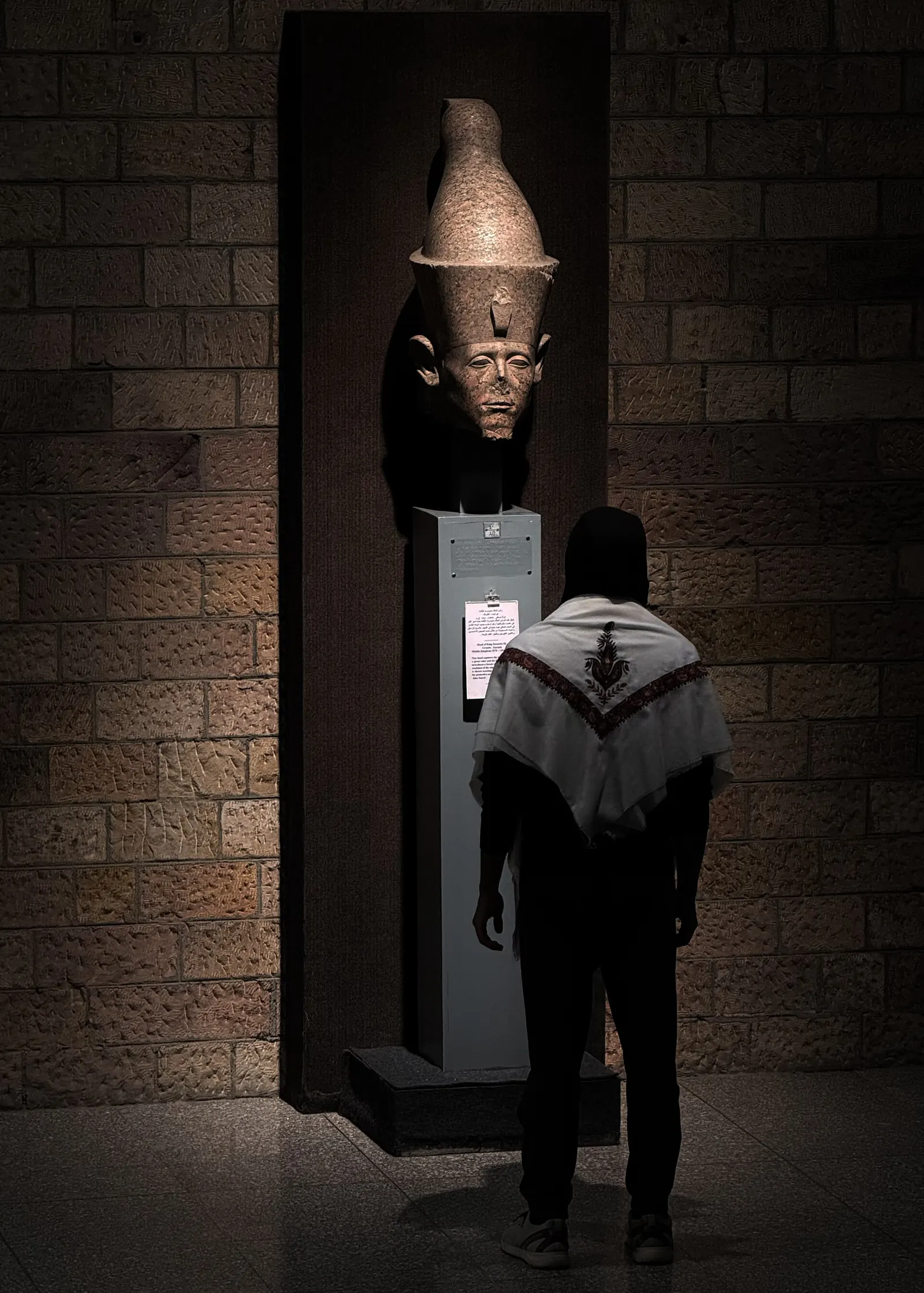
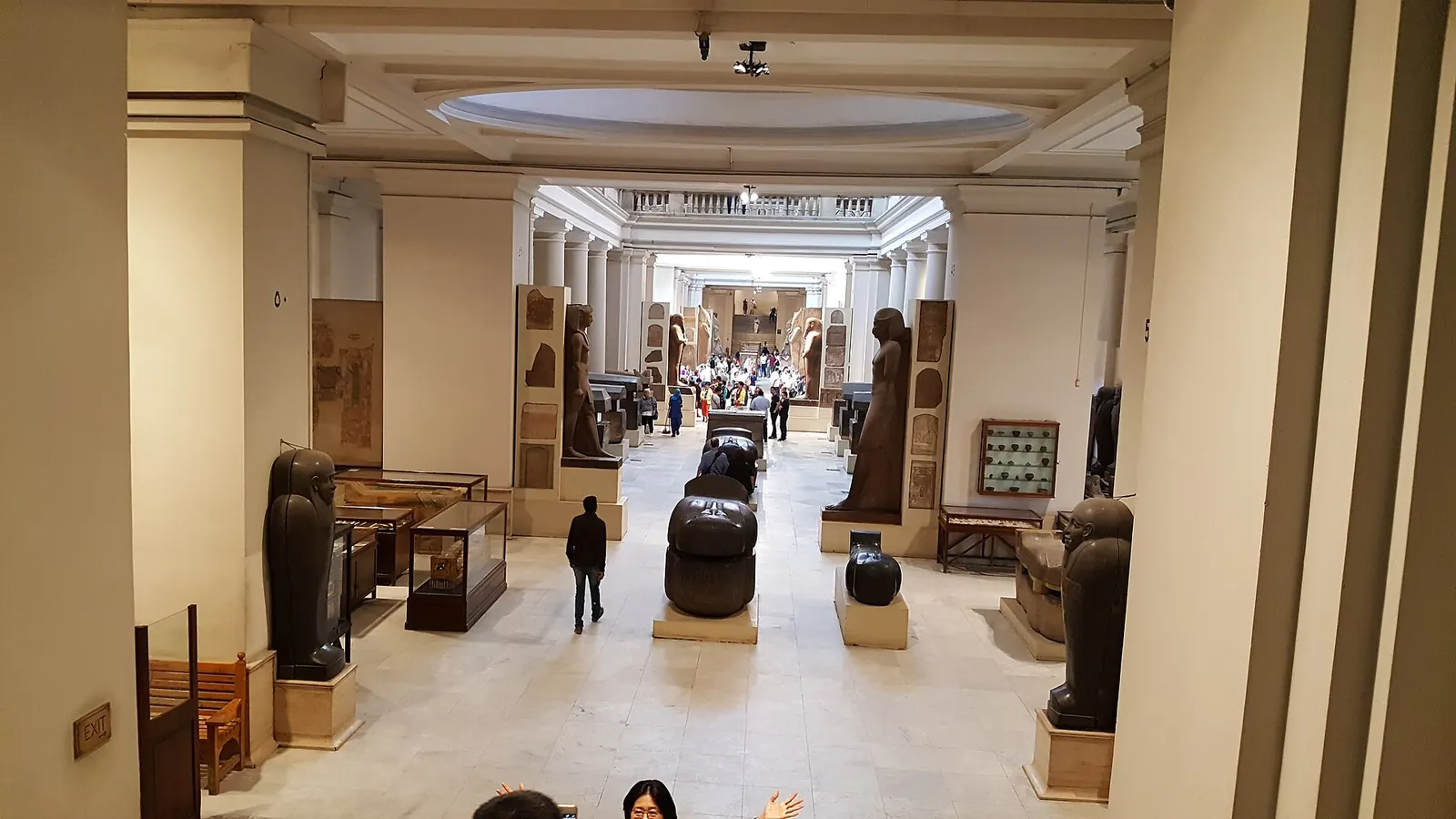
Understand the internal route
Historic buildings and large complexes may offer partial rather than continuous access.
The purpose of this chapter is not to create another rule for every visitor. It gives you a decision structure that can survive a changed opening time, a moved display or a different level of energy on the day.
Confirm lift dimensions and operation.
Ask which galleries require stairs.
Locate seating and toilets.
Check whether wheelchairs are available.
What this changes in practice
Turn the chapter into one small action before the visit. Save the relevant official page, choose a realistic stopping point and write down the question you want the collection to answer.
- Keep the decision specific to this museum and date.
- Distinguish a verified fact from a personal preference.
- Leave enough flexibility for gallery closures or slower looking.
- Record uncertainty instead of filling the gap with a confident guess.
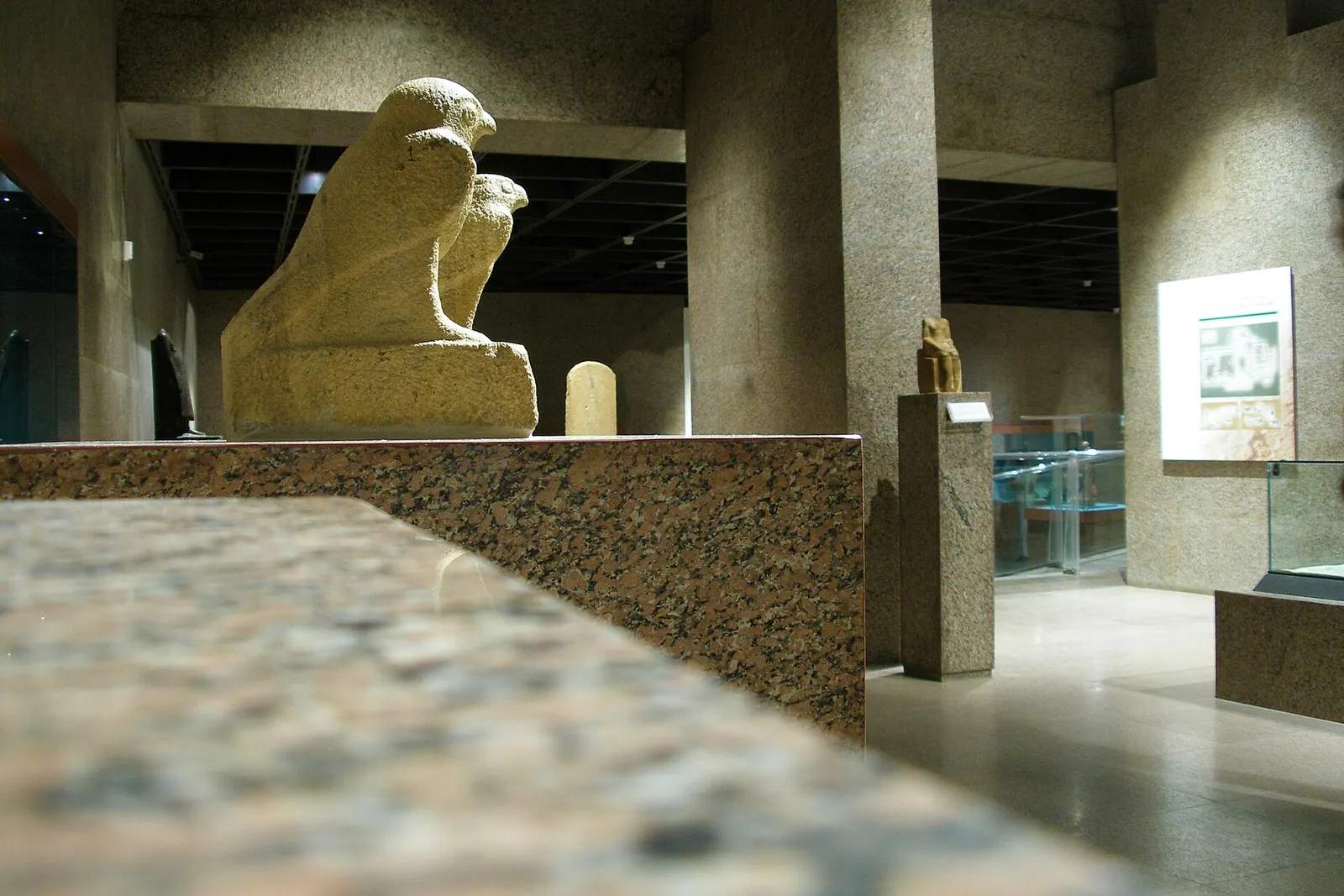
Plan sensory load
Crowding, echoes, lighting and dense display cases change the visit.
The purpose of this chapter is not to create another rule for every visitor. It gives you a decision structure that can survive a changed opening time, a moved display or a different level of energy on the day.
Choose quieter hours.
Ask about low-light spaces.
Carry permitted sensory supports.
Use a short exit-ready loop.
What this changes in practice
Turn the chapter into one small action before the visit. Save the relevant official page, choose a realistic stopping point and write down the question you want the collection to answer.
- Keep the decision specific to this museum and date.
- Distinguish a verified fact from a personal preference.
- Leave enough flexibility for gallery closures or slower looking.
- Record uncertainty instead of filling the gap with a confident guess.
Accessible information
Captions, audio, sign language and tactile interpretation vary widely.
The purpose of this chapter is not to create another rule for every visitor. It gives you a decision structure that can survive a changed opening time, a moved display or a different level of energy on the day.
Ask which languages are supported.
Download available guides.
Bring a charged device and headphones.
Do not assume the same offer across exhibitions.
What this changes in practice
Turn the chapter into one small action before the visit. Save the relevant official page, choose a realistic stopping point and write down the question you want the collection to answer.
- Keep the decision specific to this museum and date.
- Distinguish a verified fact from a personal preference.
- Leave enough flexibility for gallery closures or slower looking.
- Record uncertainty instead of filling the gap with a confident guess.
Record what changed
Access information becomes useful when it is dated, specific and corrected.
The purpose of this chapter is not to create another rule for every visitor. It gives you a decision structure that can survive a changed opening time, a moved display or a different level of energy on the day.
Note the exact route used.
Distinguish temporary from structural barriers.
Share corrections respectfully.
Reconfirm on a future visit.
What this changes in practice
Turn the chapter into one small action before the visit. Save the relevant official page, choose a realistic stopping point and write down the question you want the collection to answer.
- Keep the decision specific to this museum and date.
- Distinguish a verified fact from a personal preference.
- Leave enough flexibility for gallery closures or slower looking.
- Record uncertainty instead of filling the gap with a confident guess.
Four field notes
Short reminders for the moment when a polished itinerary meets a real building.
Access can change during renovation.
Companion ticket rules need direct confirmation.
Accessible toilets may be in another zone.
Emergency routes should be discussed when necessary.
A note on confidence
Editorial confidence should follow evidence. Stable historical context can be explained in depth; opening hours, ticket categories, object locations and access routes need a visible date and a direct institutional check.
A note on pace
No visitor owes a museum completion. One carefully observed object can provide a better foundation for later learning than a hurried photograph of every famous case.
Questions people ask
Useful answers preserve context and make room for information that changes.
Is every major museum step-free?
Begin with the relevant official museum page, then compare the date, visitor category and exact destination before making a plan.
Can a wheelchair be borrowed?
The right answer depends on pace, collection changes and the day of travel. Treat the guide as a method, not a frozen operational promise.
Are companion tickets available?
Keep one principal goal and one flexible alternative. A resilient route is more useful than a crowded schedule.
When is the quietest time?
Ask the museum directly when access, equipment, companions or a specific gallery will determine whether the visit works.
How should incorrect access information be reported?
Record the source and date of anything practical. That small habit prevents old screenshots from becoming false certainty.
How to verify this guide
These source classes are the minimum starting point for maintaining the page. Exact source records and image credits are kept separately so that corrections can be traced.
- Official museum website and visitor information
- Egyptian Ministry of Tourism and Antiquities
- Published museum catalogues and collection records
- On-site accessibility information where available
Last editorial review: 16 July 2026. Operational information should be checked again within 24 hours of travel.
Open sources and image creditsTurn the guide into six decisions
A long guide becomes useful when each chapter leaves one compact, verifiable note for the day of the visit.
Ask before booking
Contact the museum directly.
Verify: save the institutional source that affects this decision.
Keep flexible: one alternative if the route or display changes.
Map the accessible arrival
Confirm the accessible gate.
Verify: save the institutional source that affects this decision.
Keep flexible: one alternative if the route or display changes.
Understand the internal route
Confirm lift dimensions and operation.
Verify: save the institutional source that affects this decision.
Keep flexible: one alternative if the route or display changes.
Plan sensory load
Choose quieter hours.
Verify: save the institutional source that affects this decision.
Keep flexible: one alternative if the route or display changes.
Accessible information
Ask which languages are supported.
Verify: save the institutional source that affects this decision.
Keep flexible: one alternative if the route or display changes.
Record what changed
Note the exact route used.
Verify: save the institutional source that affects this decision.
Keep flexible: one alternative if the route or display changes.