
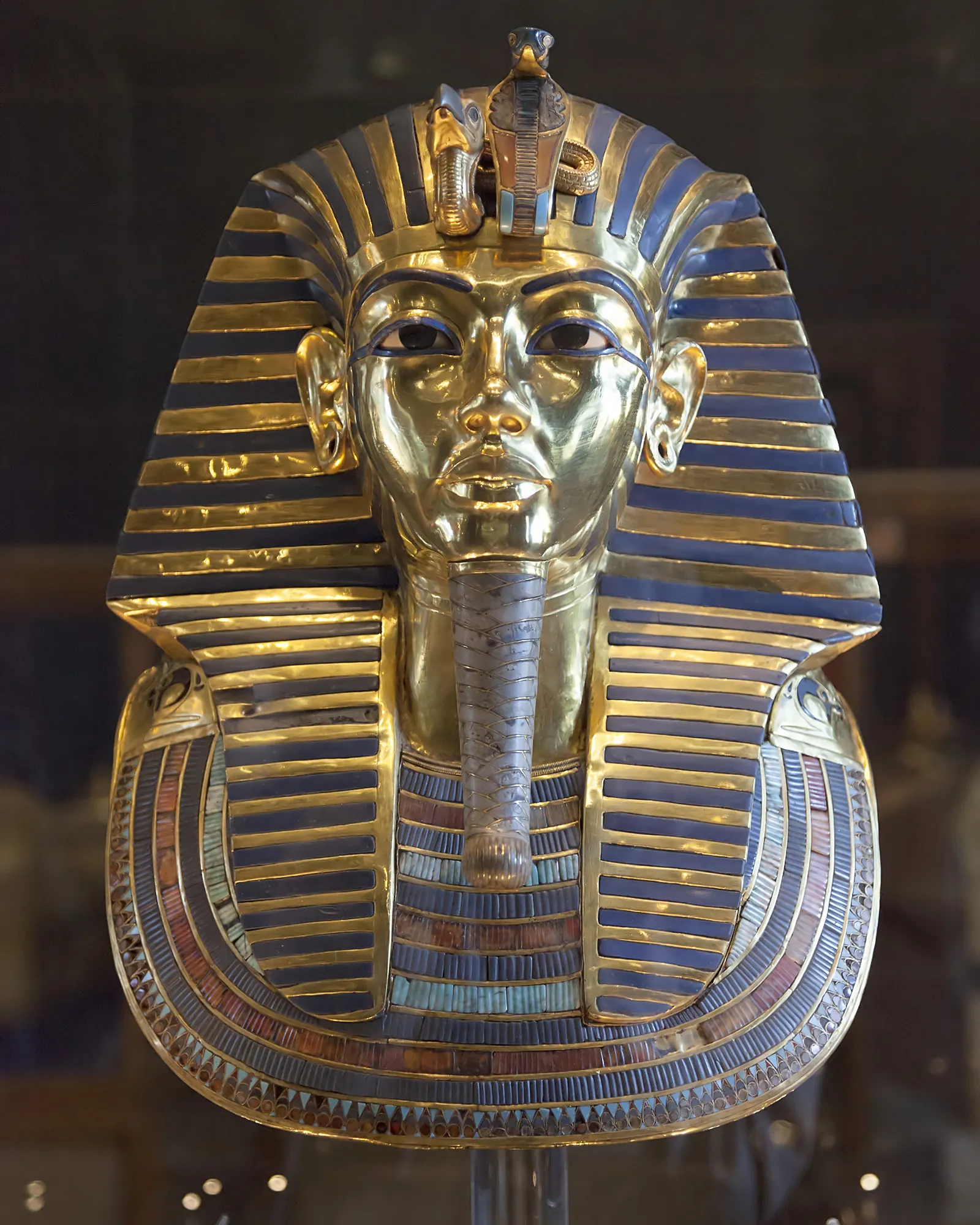
A field guide to material, function, ritual and museum history—beginning with Tutankhamun’s mask. This guide is designed as a practical editorial framework: it separates durable context from details that must be confirmed close to the day of travel.
Observe before reading
The label is useful, but first allow the object to create questions.
The purpose of this chapter is not to create another rule for every visitor. It gives you a decision structure that can survive a changed opening time, a moved display or a different level of energy on the day.
Describe scale and silhouette.
Notice joins, repairs and surface changes.
Identify repeated colours and signs.
Look for evidence of use or handling.
What this changes in practice
Turn the chapter into one small action before the visit. Save the relevant official page, choose a realistic stopping point and write down the question you want the collection to answer.
- Keep the decision specific to this museum and date.
- Distinguish a verified fact from a personal preference.
- Leave enough flexibility for gallery closures or slower looking.
- Record uncertainty instead of filling the gap with a confident guess.
Material is an argument
Gold, stone, wood, glass and pigment carry technical, economic and symbolic meanings.
The purpose of this chapter is not to create another rule for every visitor. It gives you a decision structure that can survive a changed opening time, a moved display or a different level of energy on the day.
Ask where the material came from.
Consider the specialists required.
Notice combinations rather than isolated luxury.
Separate ancient value from modern market value.
What this changes in practice
Turn the chapter into one small action before the visit. Save the relevant official page, choose a realistic stopping point and write down the question you want the collection to answer.
- Keep the decision specific to this museum and date.
- Distinguish a verified fact from a personal preference.
- Leave enough flexibility for gallery closures or slower looking.
- Record uncertainty instead of filling the gap with a confident guess.
Recover a function
Many museum objects were never made to be viewed in a glass case by a general public.
The purpose of this chapter is not to create another rule for every visitor. It gives you a decision structure that can survive a changed opening time, a moved display or a different level of energy on the day.
Who originally encountered it?
What action surrounded it?
Was it visible, hidden or periodically revealed?
How did movement, light or sound matter?
What this changes in practice
Turn the chapter into one small action before the visit. Save the relevant official page, choose a realistic stopping point and write down the question you want the collection to answer.
- Keep the decision specific to this museum and date.
- Distinguish a verified fact from a personal preference.
- Leave enough flexibility for gallery closures or slower looking.
- Record uncertainty instead of filling the gap with a confident guess.
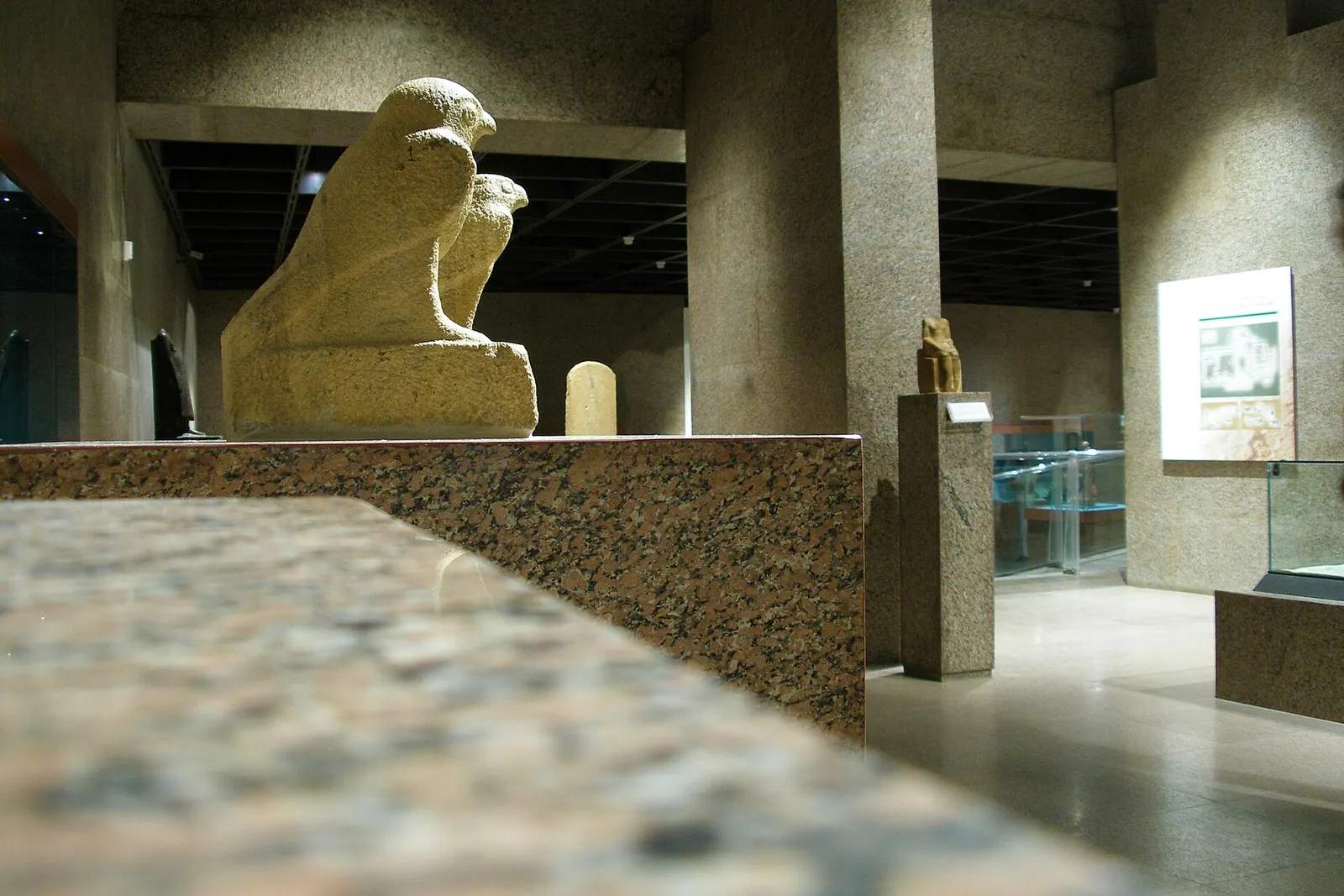
Tutankhamun’s mask
Its fame can obscure the fact that it belonged to a larger ritual and material system.
The purpose of this chapter is not to create another rule for every visitor. It gives you a decision structure that can survive a changed opening time, a moved display or a different level of energy on the day.
Read the face as an idealised royal image.
Notice the union of materials and inlay.
Connect text and image.
Avoid reducing significance to weight or price.
What this changes in practice
Turn the chapter into one small action before the visit. Save the relevant official page, choose a realistic stopping point and write down the question you want the collection to answer.
- Keep the decision specific to this museum and date.
- Distinguish a verified fact from a personal preference.
- Leave enough flexibility for gallery closures or slower looking.
- Record uncertainty instead of filling the gap with a confident guess.
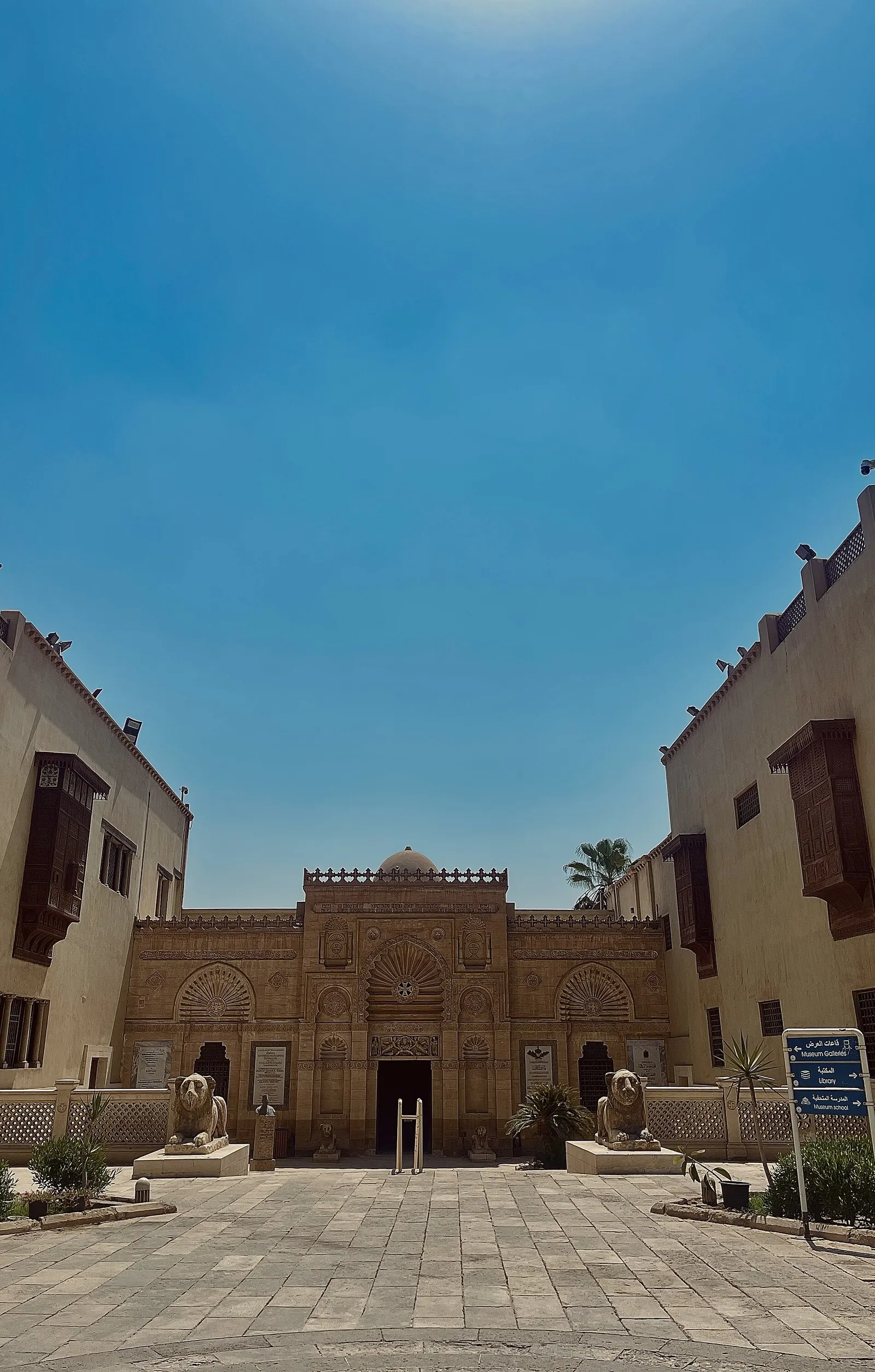
The object’s museum life
Discovery, conservation, display and photography shape what visitors think the object is.
The purpose of this chapter is not to create another rule for every visitor. It gives you a decision structure that can survive a changed opening time, a moved display or a different level of energy on the day.
Ask how it entered the collection.
Check whether parts were restored.
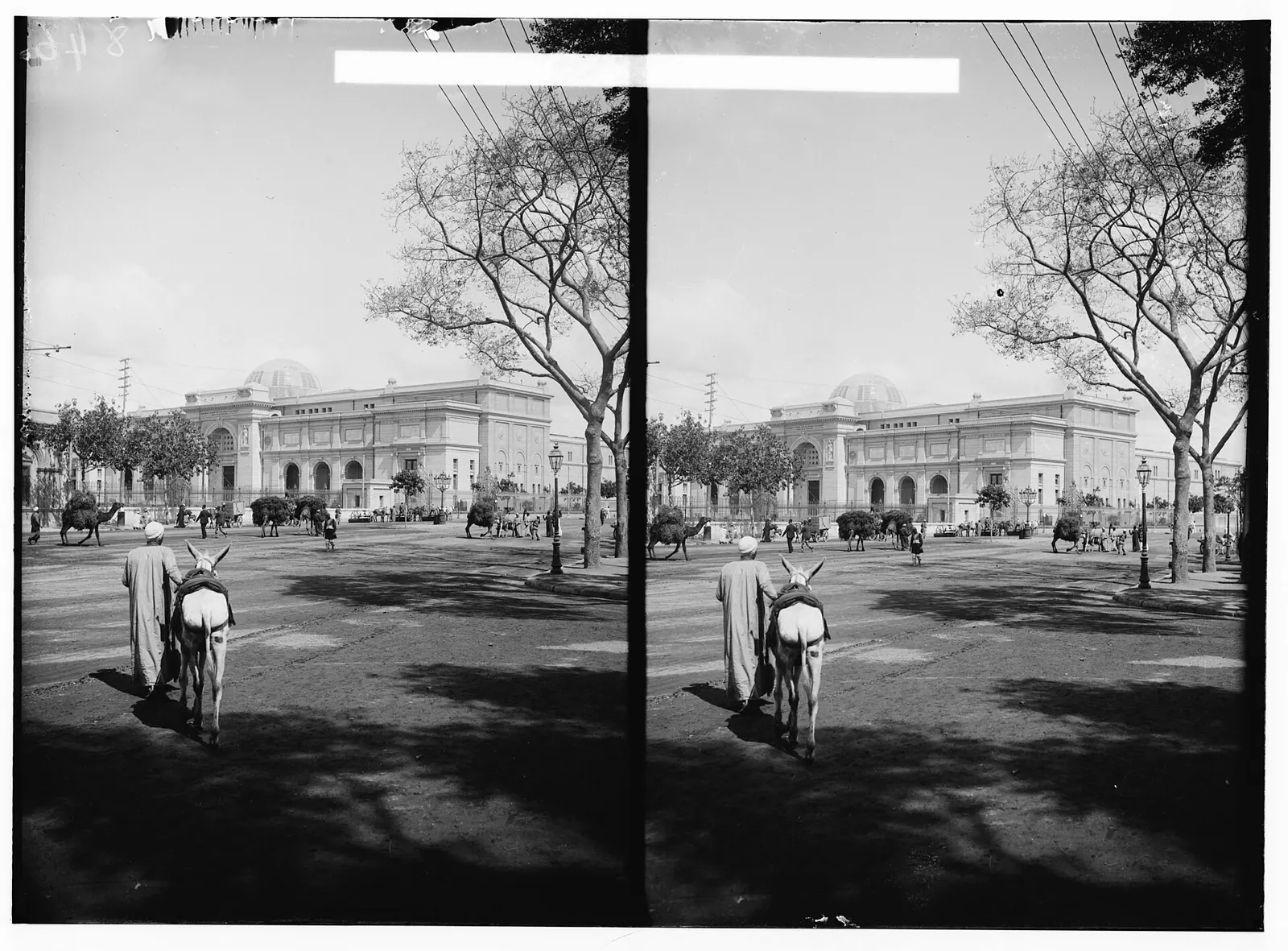
Compare historic and current display.
Treat location information as changeable.
What this changes in practice
Turn the chapter into one small action before the visit. Save the relevant official page, choose a realistic stopping point and write down the question you want the collection to answer.
- Keep the decision specific to this museum and date.
- Distinguish a verified fact from a personal preference.
- Leave enough flexibility for gallery closures or slower looking.
- Record uncertainty instead of filling the gap with a confident guess.
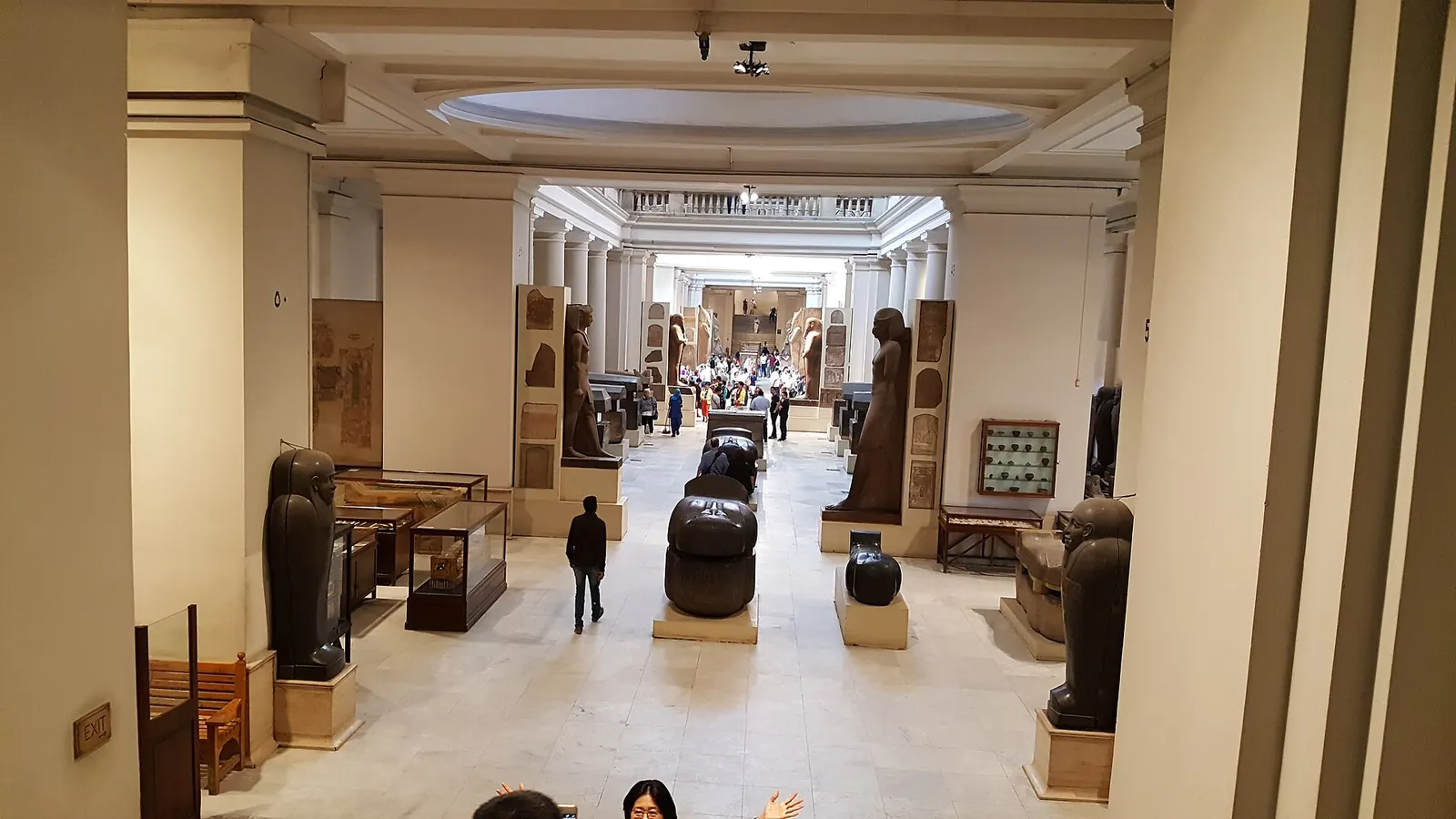
Ask the difficult questions
A modern museum visit can include excavation history, ownership and whose voice frames the object.
The purpose of this chapter is not to create another rule for every visitor. It gives you a decision structure that can survive a changed opening time, a moved display or a different level of energy on the day.
Look for provenance.
Notice absent communities.
Read uncertainty honestly.
Use disagreement as a reason to investigate.
What this changes in practice
Turn the chapter into one small action before the visit. Save the relevant official page, choose a realistic stopping point and write down the question you want the collection to answer.
- Keep the decision specific to this museum and date.
- Distinguish a verified fact from a personal preference.
- Leave enough flexibility for gallery closures or slower looking.
- Record uncertainty instead of filling the gap with a confident guess.
Four field notes
Short reminders for the moment when a polished itinerary meets a real building.
Famous objects may move between displays.
Replica and original must be clearly distinguished.
Photography can flatten material detail.
Conservation changes how surfaces appear.
A note on confidence
Editorial confidence should follow evidence. Stable historical context can be explained in depth; opening hours, ticket categories, object locations and access routes need a visible date and a direct institutional check.
A note on pace
No visitor owes a museum completion. One carefully observed object can provide a better foundation for later learning than a hurried photograph of every famous case.
Questions people ask
Useful answers preserve context and make room for information that changes.
Where is the mask displayed now?
Begin with the relevant official museum page, then compare the date, visitor category and exact destination before making a plan.
Why is gold not the whole story?
The right answer depends on pace, collection changes and the day of travel. Treat the guide as a method, not a frozen operational promise.
What does provenance mean?
Keep one principal goal and one flexible alternative. A resilient route is more useful than a crowded schedule.
Should I read the label first?
Ask the museum directly when access, equipment, companions or a specific gallery will determine whether the visit works.
How can children look closely?
Record the source and date of anything practical. That small habit prevents old screenshots from becoming false certainty.
How to verify this guide
These source classes are the minimum starting point for maintaining the page. Exact source records and image credits are kept separately so that corrections can be traced.
- Official museum website and visitor information
- Egyptian Ministry of Tourism and Antiquities
- Published museum catalogues and collection records
- On-site accessibility information where available
Last editorial review: 16 July 2026. Operational information should be checked again within 24 hours of travel.
Open sources and image creditsTurn the guide into six decisions
A long guide becomes useful when each chapter leaves one compact, verifiable note for the day of the visit.
Observe before reading
Describe scale and silhouette.
Verify: save the institutional source that affects this decision.
Keep flexible: one alternative if the route or display changes.
Material is an argument
Ask where the material came from.
Verify: save the institutional source that affects this decision.
Keep flexible: one alternative if the route or display changes.
Recover a function
Who originally encountered it?
Verify: save the institutional source that affects this decision.
Keep flexible: one alternative if the route or display changes.
Tutankhamun’s mask
Read the face as an idealised royal image.
Verify: save the institutional source that affects this decision.
Keep flexible: one alternative if the route or display changes.
The object’s museum life
Ask how it entered the collection.
Verify: save the institutional source that affects this decision.
Keep flexible: one alternative if the route or display changes.
Ask the difficult questions
Look for provenance.
Verify: save the institutional source that affects this decision.
Keep flexible: one alternative if the route or display changes.